

Key Parts Newly Upgraded
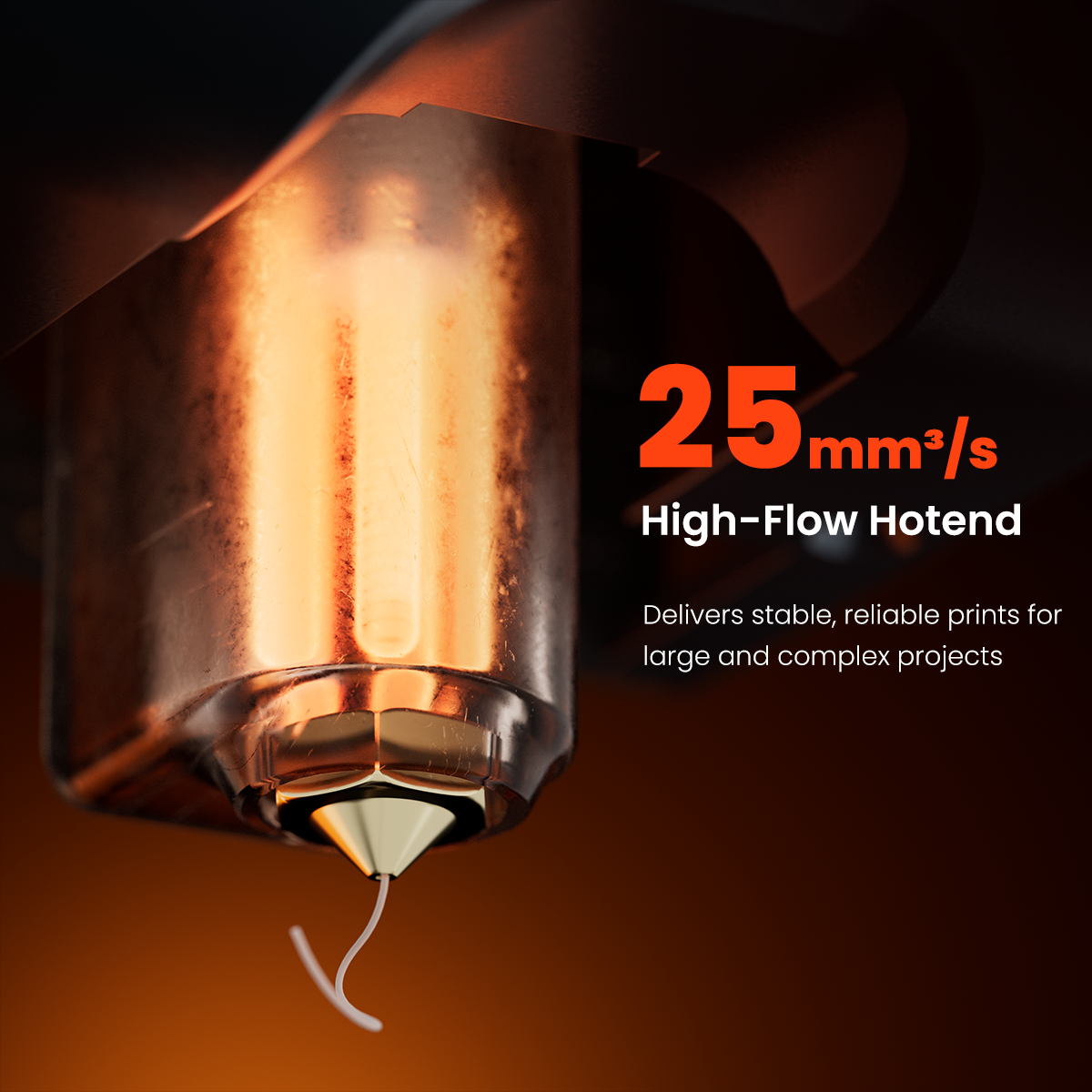
Upgraded hotend and throat tube for better heating and smoother filament flow, paired with a high-airflow fan for efficient cooling and longer lifespan.
· Upgraded Thorat
· Upgraded High-airflow Fan
· Upgraded Hotend

If you have any questions, you are always welcome to contact us. We'll get back to you as soon as possible, within 24 hours on weekdays.
Shipping Information
Use this text to answer questions in as much detail as possible for your customers.
Customer Support
Use this text to answer questions in as much detail as possible for your customers.
FAQ’s
Use this text to answer questions in as much detail as possible for your customers.
Contact Us
Use this text to answer questions in as much detail as possible for your customers.


Key Parts Newly Upgraded
Upgraded hotend and throat tube for better heating and smoother filament flow, paired with a high-airflow fan for efficient cooling and longer lifespan.
· Upgraded Thorat
· Upgraded High-airflow Fan
· Upgraded Hotend
More Stable
More Efficient
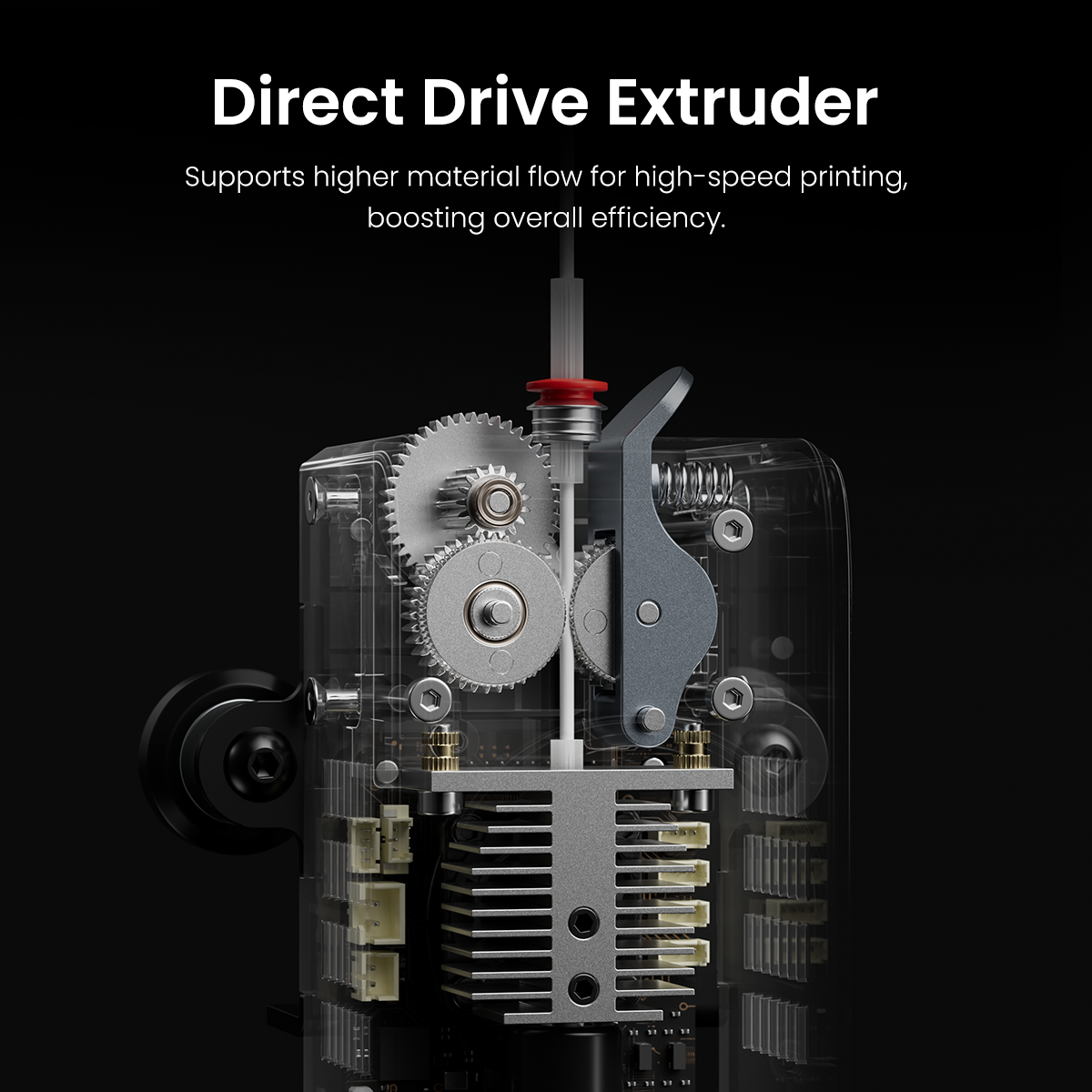
Upgraded high-flow direct drive extruder delivers more stable
extrusion for flawless prints. Now compatible with flexible filaments, unlocking endless creative possibilities.


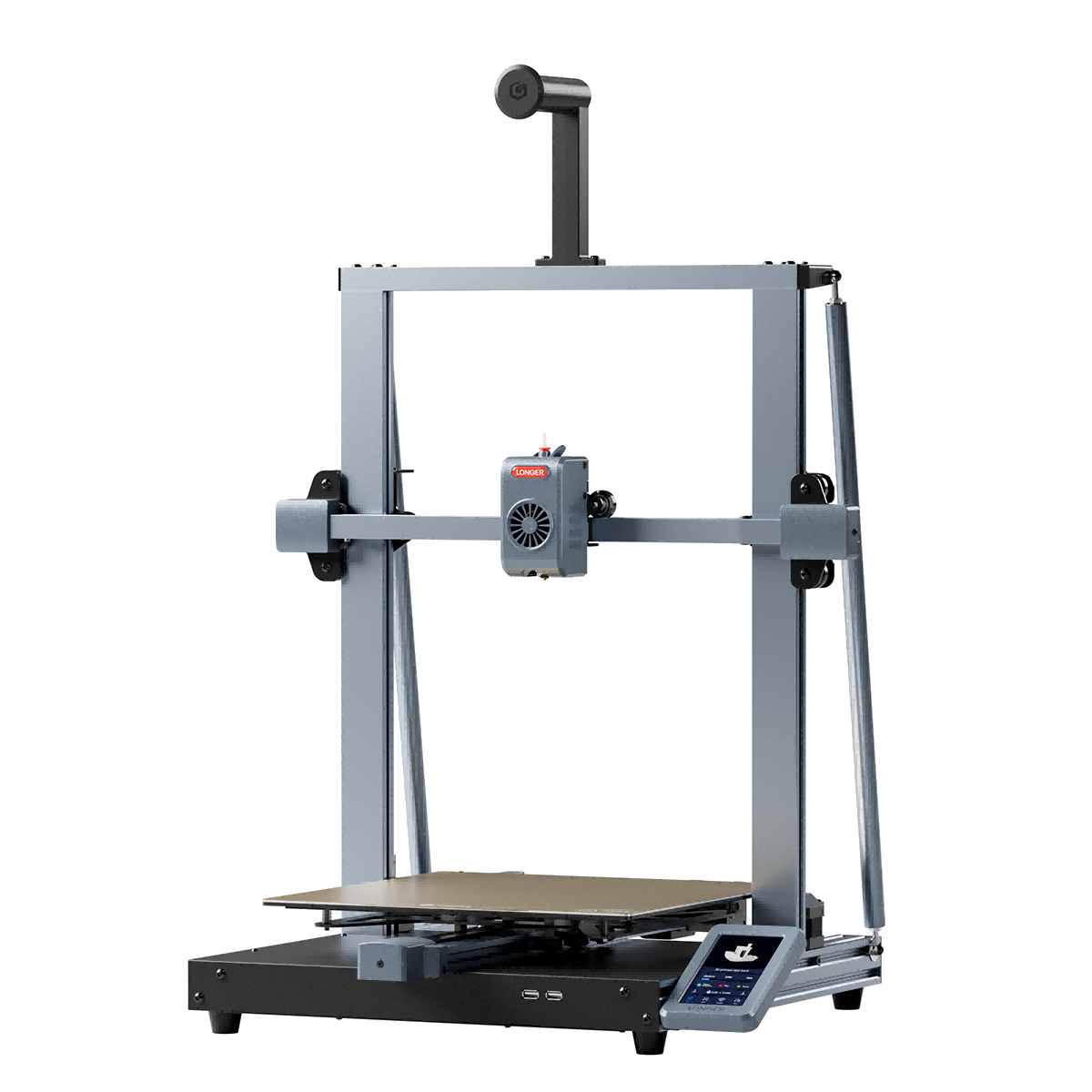
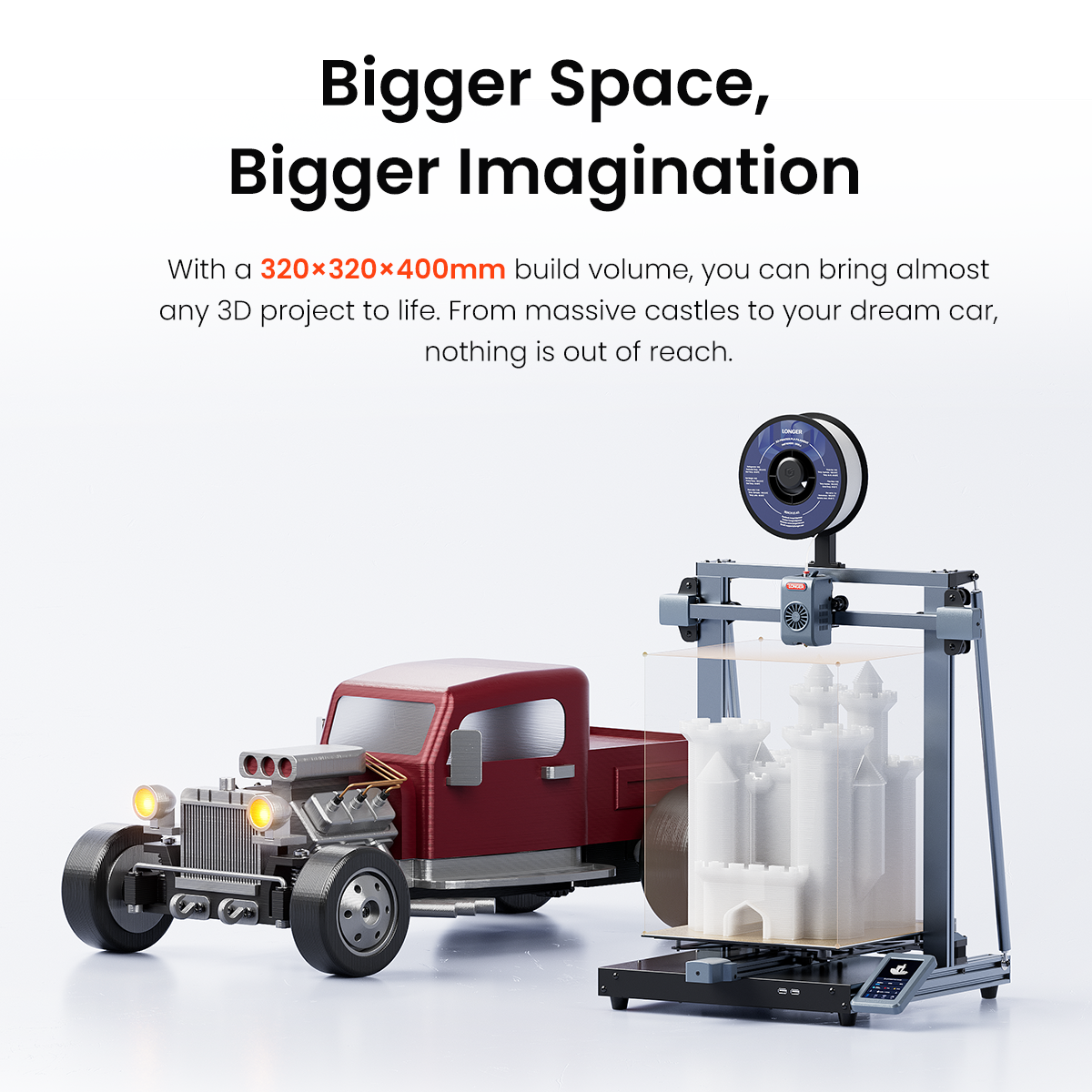
The main difference is the build volume. The LK10 offers 225 × 225 × 265 mm, while the LK10 Plus provides a larger 320 × 320 × 400 mm build area for bigger projects.
Both printers support 1.75 mm filament, including PLA, PETG, ABS, ASA, TPU, and more.
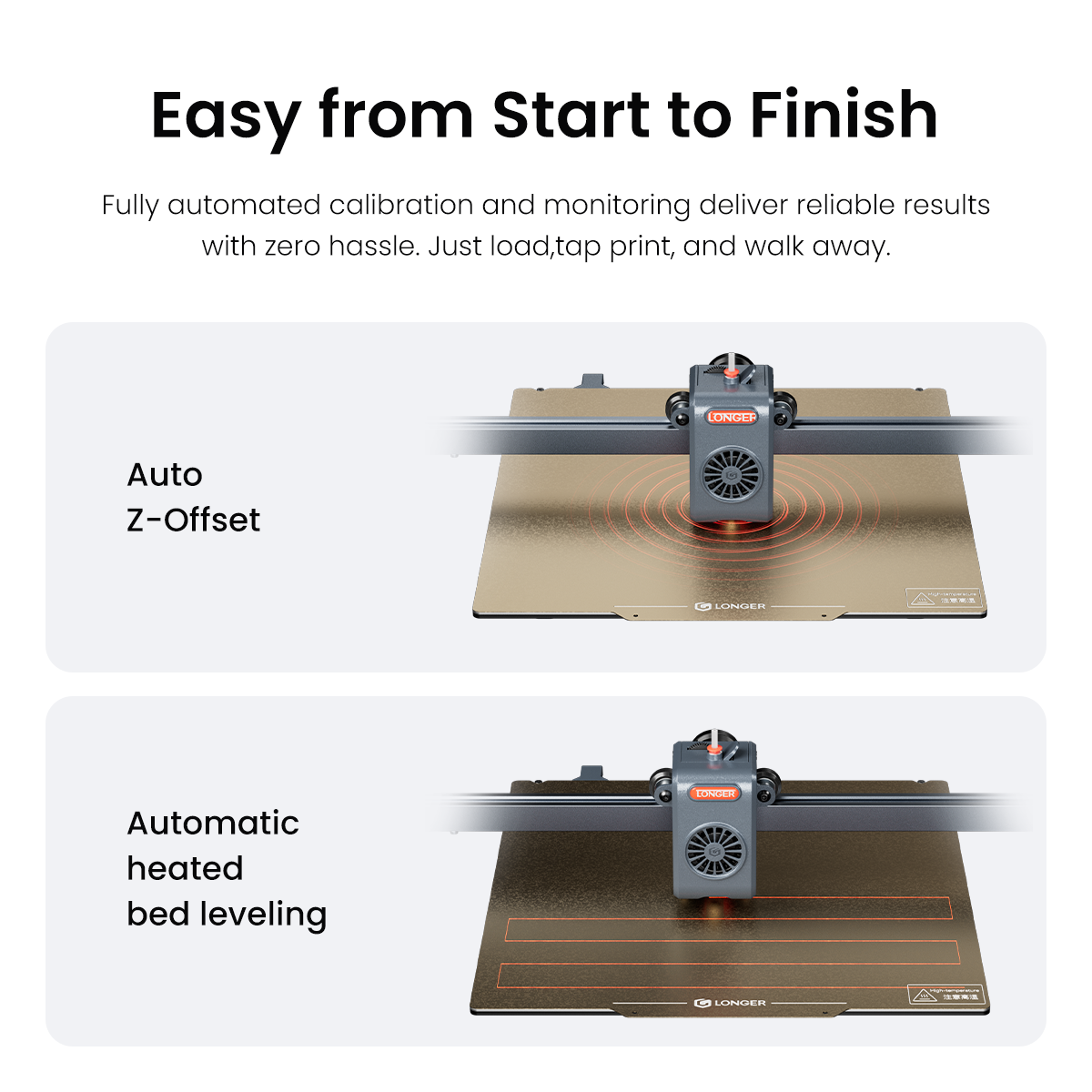
Yes. Both models use an eddy current sensor for automatic bed leveling and automatic Z-offset detection, helping simplify setup and improve first-layer consistency.
A print may stop because of a filament detection error, damaged print file, loose cable connection, temperature abnormality, or firmware-related issue. Check the filament sensor, power and cable connections, temperature readings, and try printing the file again after re-slicing it.
First check whether the nozzle is clogged and make sure the filament is loaded correctly. Also inspect the extruder gear, Bowden tube, nozzle temperature, and filament for any blockage or damage. If extrusion is still weak or inconsistent, clean or replace the nozzle and try again. If the issue persists, please contact our support team at support@longer.net for further assistance.